From activism to reconciliation: Why this work, why now?
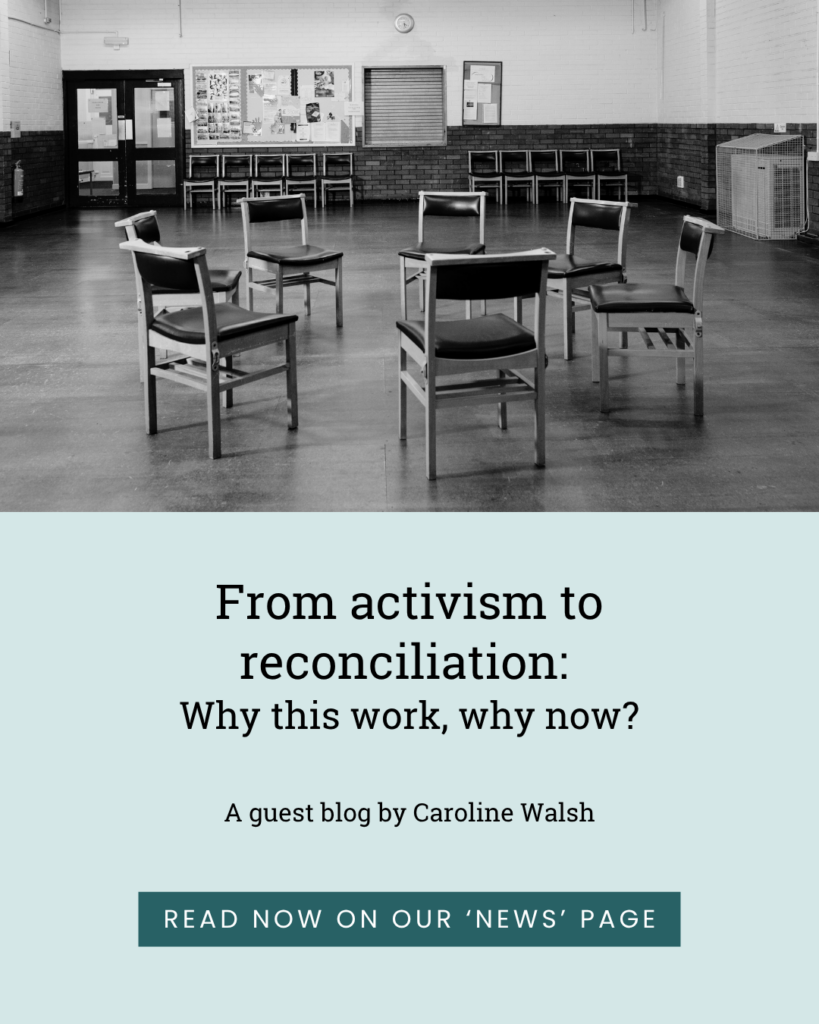
This is a guest blog by Caroline Walsh, an experienced Restorative Justice Facilitator. We are living through a period of intensified division. Public debate is harder, trust in institutions is fragile, and disagreement increasingly feels personal rather than political. What might once have been differences of opinion now often land as questions of identity, […]
ReHub review: Next steps for strengthening access to Restorative Justice
This is a blog by our CEO, Sara Dowling. Over the past year, Why me? along with numerous Restorative Justice practitioners, RJ services, PCCs, and others have voiced growing concerns about the performance and transparency of the HMPPS Restorative Practice Hub (ReHub) and it’s blocking of access to RJ. As a result of campaigns […]
Right to be heard campaign shortlisted for Sheila McKechnie Foundation Award

This is a blog by our Communications and Campaigns Manager, Keeva Baxter. Why me? are delighted that our ‘Right to be heard’ campaign, in partnership with The Common Ground Justice Project has been shortlisted for the Sheila McKechnie Foundation National Campaigner Awards 2026. It is an honour to get this recognition in the ‘Creative Change-maker […]
Restoring humanity in a system of punishment and isolation
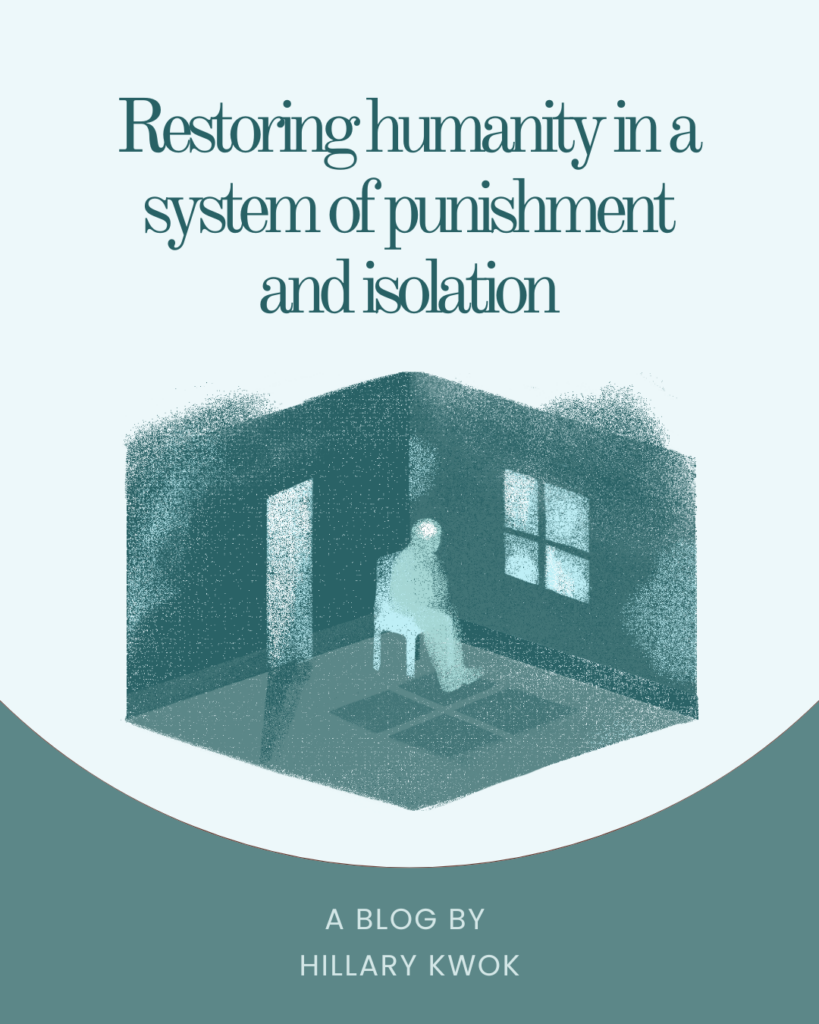
This is a blog by our Volunteer, Hillary Kwok. There are many external circumstances that are overlooked when a person has been incarcerated, with their future often shaped from the moment of conviction. Stigmatised, isolated, and excluded from society, individuals are left with little hope upon release. Re-entering a society that sustains a culture […]
Why me?’s response to the Victims’ Code Consultation

Yesterday was the deadline for the Victims’ Code Consultation launched by the Ministry of Justice. It was an opportunity to strengthen provision around Restorative Justice and ensure that victims of crime can access their rights more effectively. Why me? submitted a response calling for several key changes in relation to Restorative Justice, including having Restorative […]
Have your say: Why me? urges Restorative Justice sector to respond to the Victims Code Consultation
This is a blog by our CEO Sara Dowling. Victims of crime are entitled to the right to be given information about Restorative Justice under the Victims’ Code of Practice. However, the vast majority of victims of crime never even find out that it is an option available to them. We want to change […]
Finding connection after the Southport riots

This is a blog by our RJ Programme Manager, Anika Cosgrove. Last week, the Guardian shared an article about how Restorative Justice supported a woman who was involved in the Southport riots. This speaks to the wider power of restorative interventions to tackle hate-motivated crime, conflict within communities and division. Following the Southport stabbings […]
Addressing layered harm in domestic and sexual violence cases

This is a blog by our Restorative Justice Programmes Manager, Anika Cosgrove. People harmed by domestic or sexual abuse face cumulative harm, resulting in a complex, intersectional experience of trauma. Often, layered on top of a survivor’s experience of domestic or sexual violence, is additional harm from various statutory services and ongoing unmet needs. […]
Catch22’s Commissioned Rehabilitative Services: supporting people on probation to rebuild their lives

This is a guest blog by Beth Guard, Policy and Communications Manager for Justice and Education at Catch22. At Catch22, a significant part of our work sits within the justice sector, supporting people in prison and on probation to move away from reoffending and towards more stable, hopeful futures. We know that being on […]
Meet the trainers: Complex contexts and sensitive practices

Our upcoming ‘Complex contexts and sensitive practices’ training is co-designed and co-led by people who have experience of the topics we will be discussing. These experts by experience will share their insights into the following topics covered in the training: A restorative approach to protecting participants from risks to their freedom to speak and to […]